Cave and rope rescue
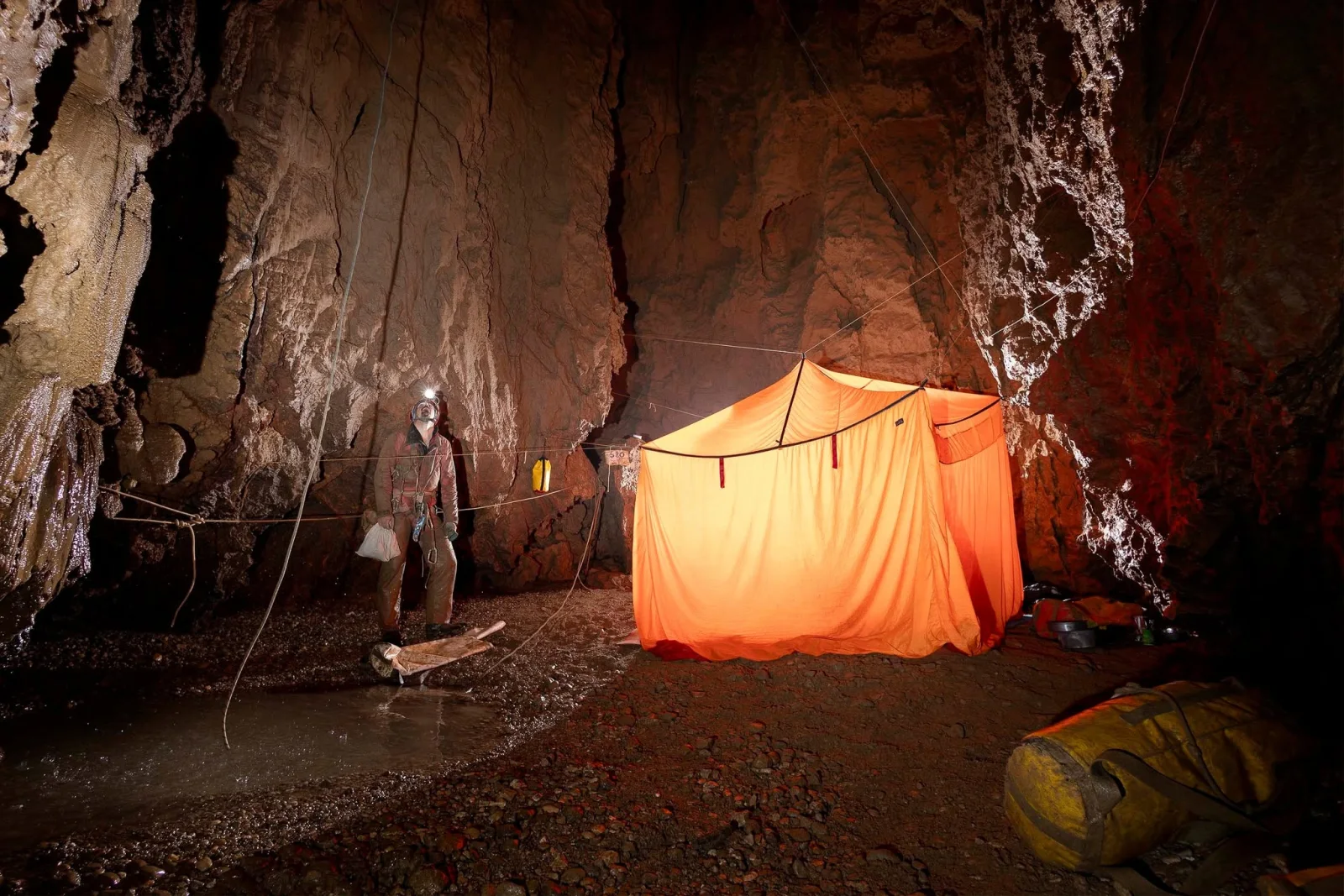
Complex movement, rigging and casualty transport in constrained terrain.
The people and service behind the handbook
The Hungarian Cave Rescue Service and the people sharing its experience through Cave Rescue.
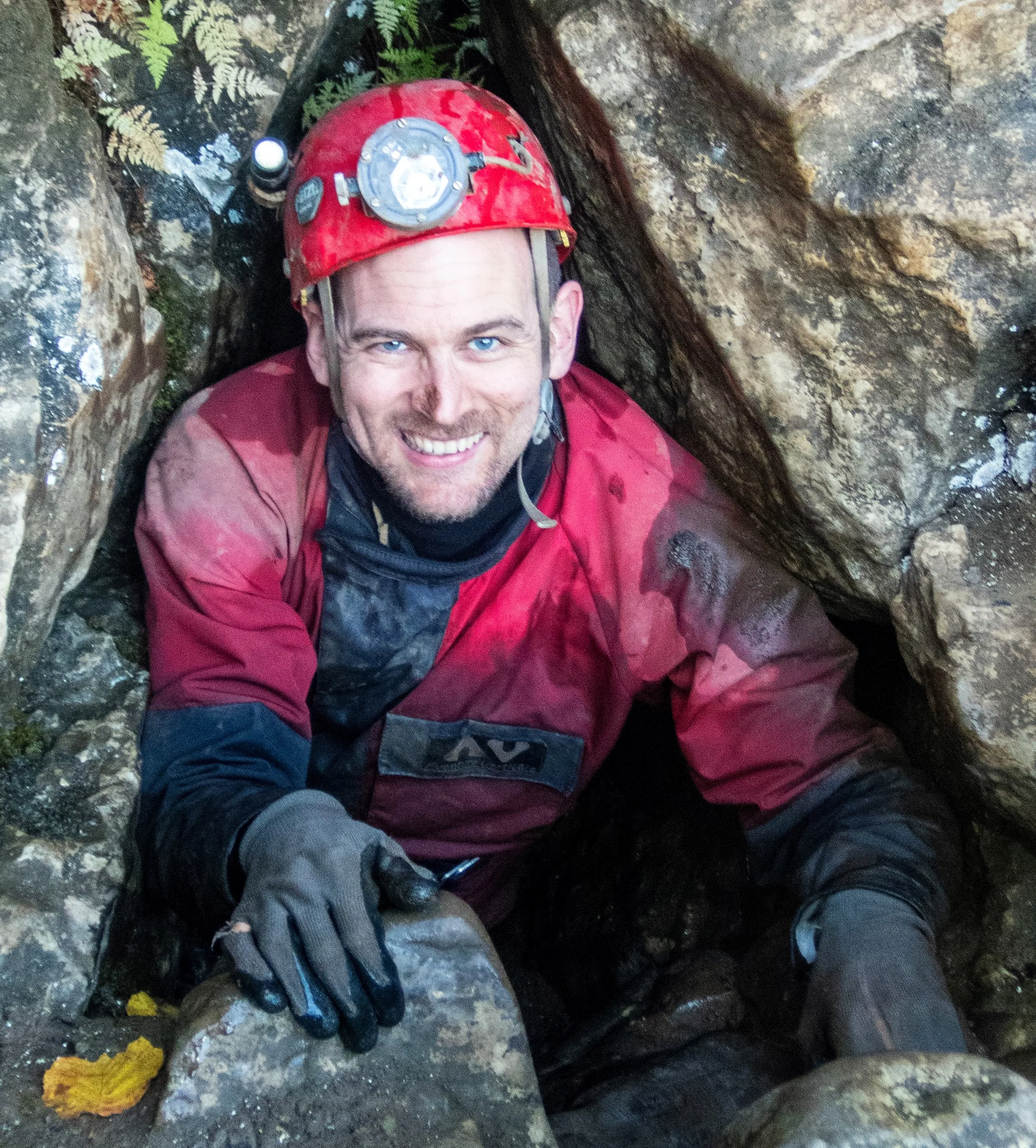
Photo: Gergely Ambrus

The organization
More than six decades of rescue, training and international cooperation
The Hungarian Cave Rescue Service, or HCRS, was founded in 1961 in response to lost-caver callouts, serious underground injuries and the need for an organized lifesaving capability. We are a volunteer organization, and have helped people in distress on more than 600 occasions.
Support the service
The official HCRS website provides the current ways to support the organization directly.
Support HCRS on caverescue.hu15 % of proceeds from the English edition supports the Hungarian Cave Rescue Service.
A service in action
Technical, medical and organizational depth.
The HCRS works underground and in other difficult-to-access environments while maintaining specialist training and international professional relationships.
Complex movement, rigging and casualty transport in constrained terrain.
Our 14-member specialist medical team is able to begin and sustain care underground.
A modular system covering technical competence, stamina, responsibility and teamwork.
Joint exercises, courses and operations with rescue organizations across borders.
Photo: Márton Kovács
The book



Independent eyes
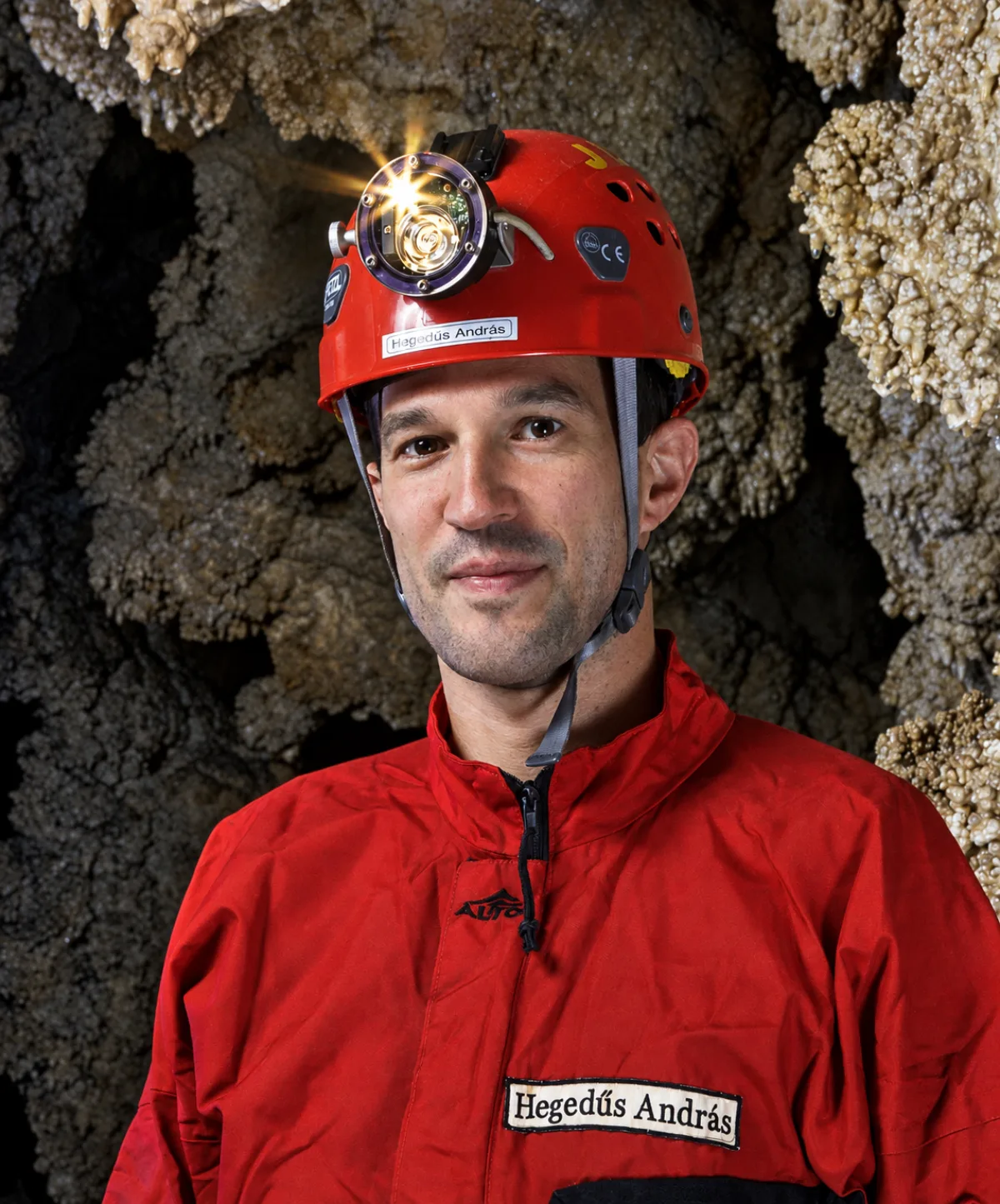
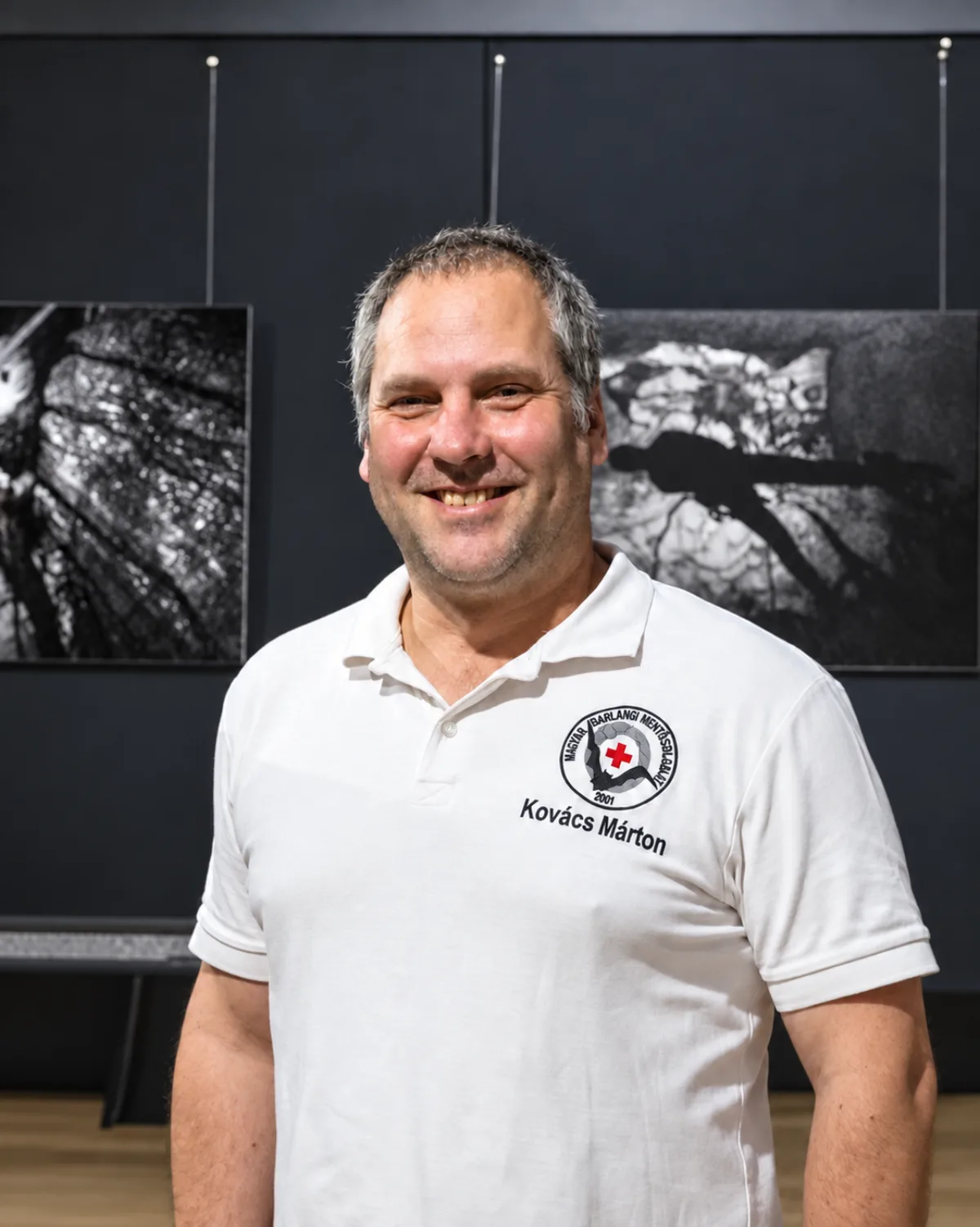
Review and proofreading help make the handbook useful to an international audience.
Six decades of rescue
Experience accumulated in the field.
The service developed through real operations, regular exercises, medical specialization and sustained cooperation with rescue teams beyond Hungary.
Dr. György Dénes helped establish the HCRS and later served as its president and lifetime honorary president.
Regular exercises developed rescue technique, shared experience and the close teamwork required during a callout.
Photo: Zoltán Tóth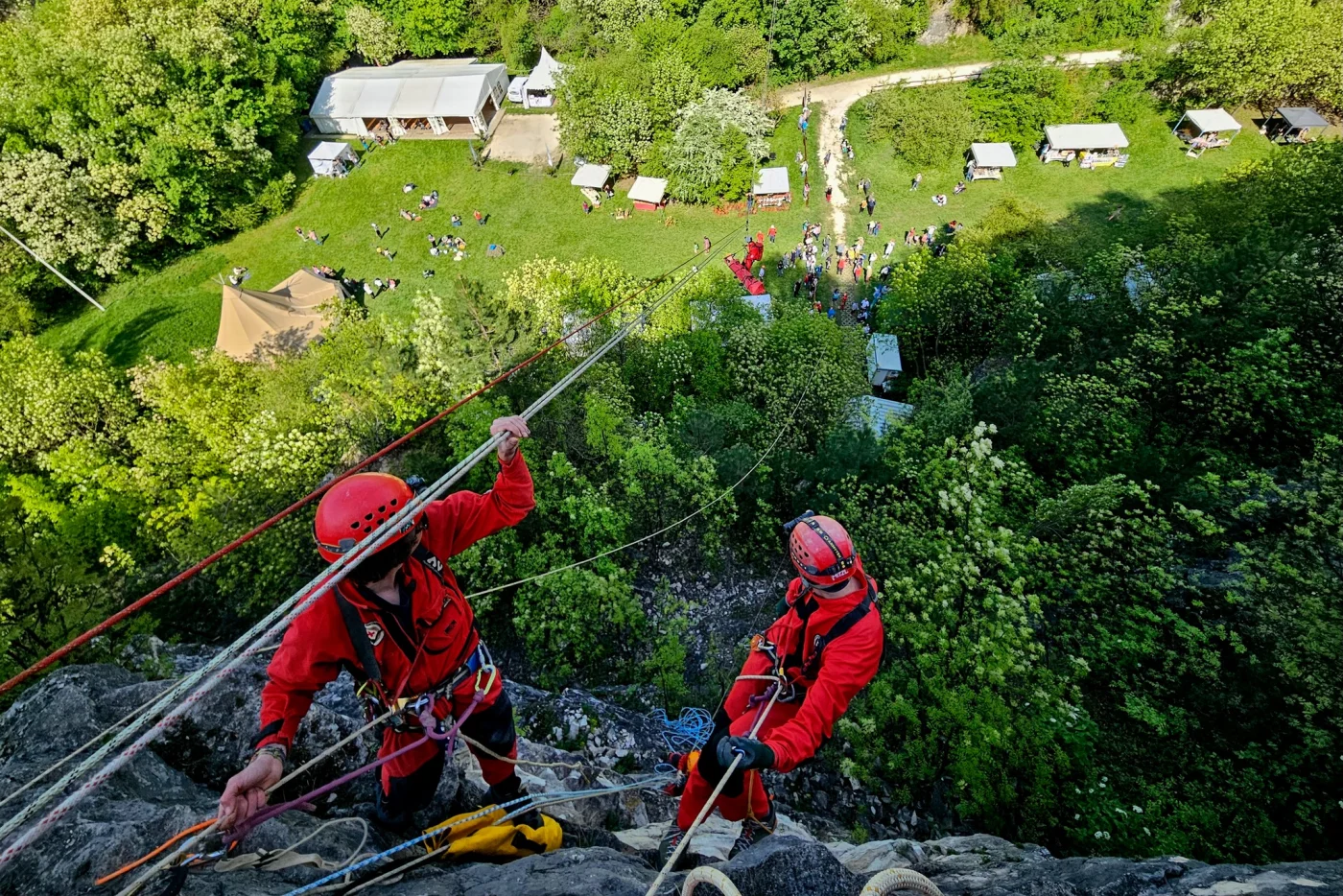
From UIS Cave Rescue Commission work and the 1983 Aggtelek conference to active participation in ECRA, international exchange became a defining part of the service’s practice. HCRS works alongside peer organizations, shares expertise and contributes to the common professional standards of cave rescue.
Photo: Márton Kovács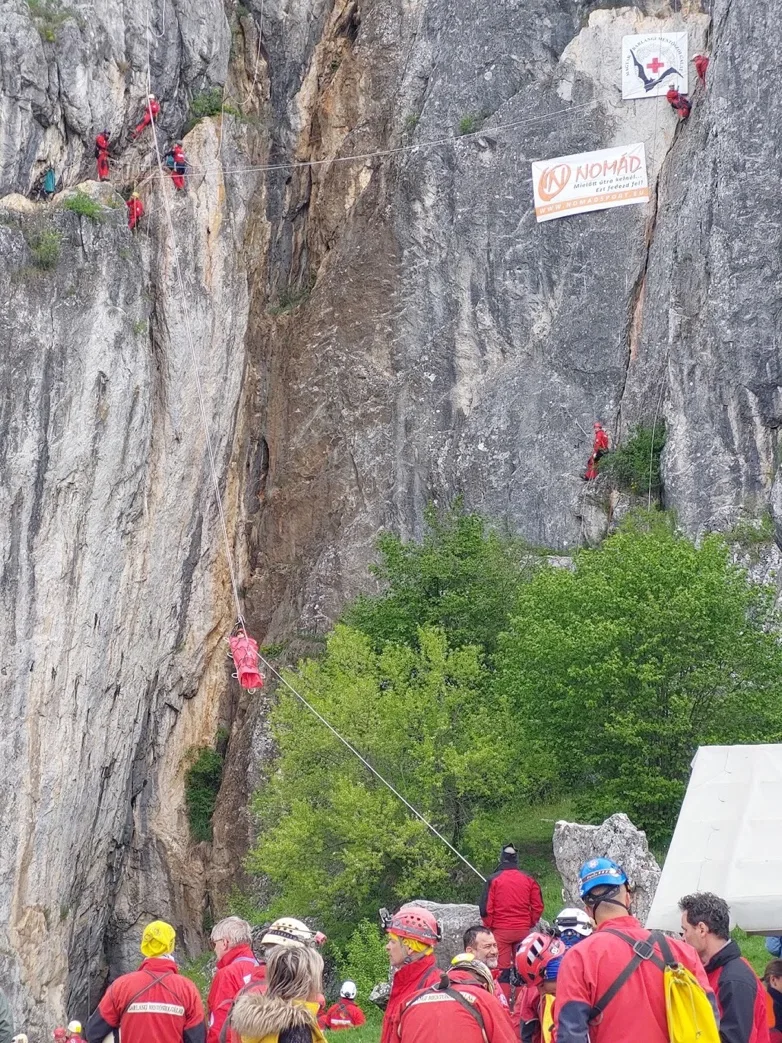
HCRS rescuers have brought their expertise to China through practical training, sharing technical and medical knowledge with rescue professionals in an international setting.

Recent workshops and international exercises keep the team’s skills tested, current and connected to the wider rescue community. Together, these activities show a volunteer service operating with professional-level standards.
2023 Morca Cave, Turkey
An international operation at the limit of technical and medical endurance.
HCRS rescuers joined the Morca Cave operation, contributing their medical and technical expertise to one of the service’s most demanding international missions. The first medical team to reach and treat the casualty was from HCRS; as the second-largest contingent in the operation, the service played a major role in the rescue. It stands as a defining example of the training, coordination and commitment required when every hour underground matters.
Photo: Ágnes Berentés